
Understanding SI Joint Dysfunction
🦴 Understanding SI Joint Dysfunction: The Hidden Cause of Low Back Pain
If you’ve been struggling with persistent pain in your lower back, hips, or buttocks — especially one that worsens when standing, walking, or climbing stairs — your sacroiliac (SI) joint could be the hidden culprit. SI joint dysfunction is a common yet often misunderstood source of pain that affects many people, sometimes for years, without a clear diagnosis.
🧩 What Is the SI Joint?
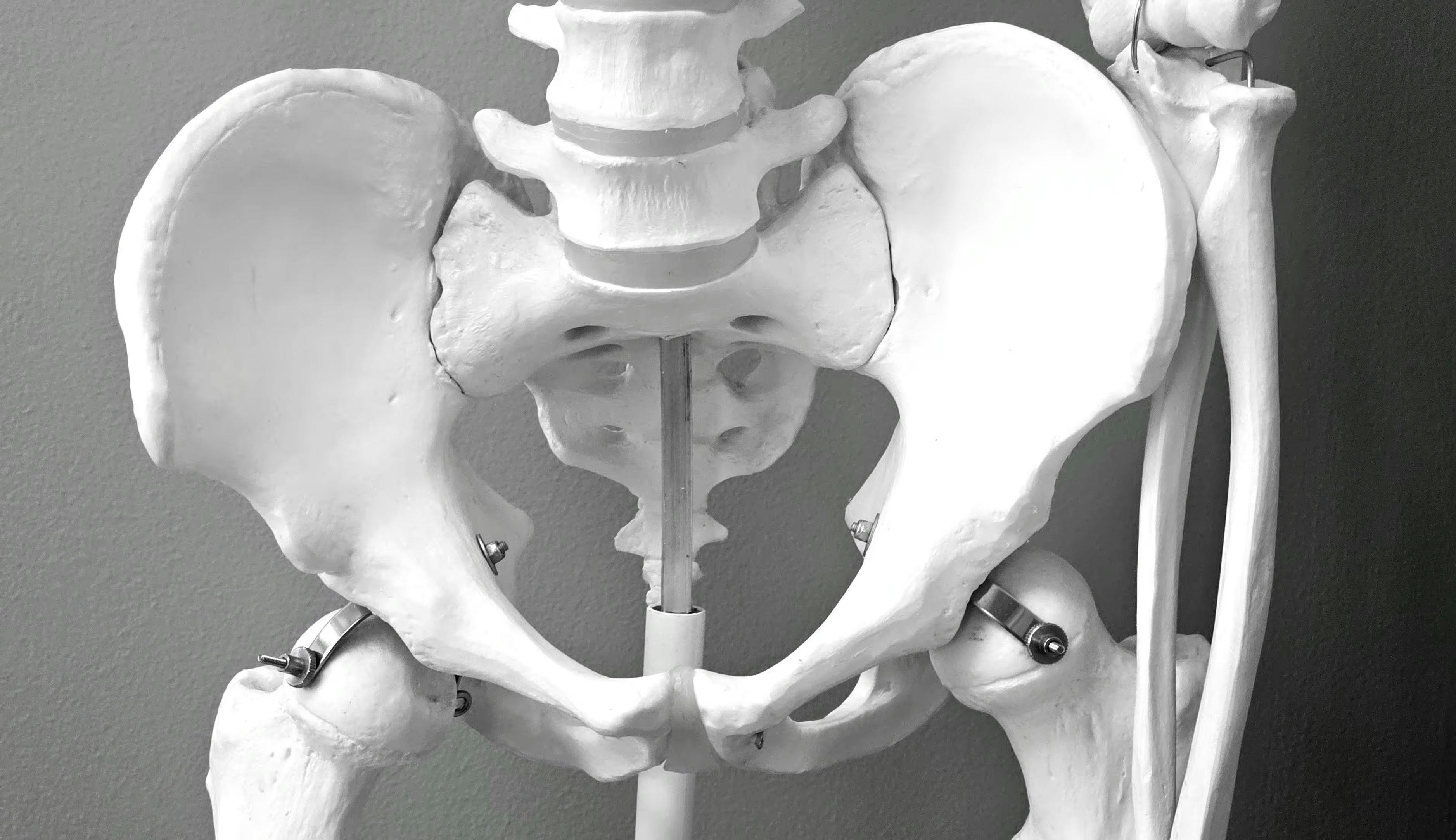
The sacroiliac joint connects the sacrum (the triangular bone at the base of your spine) to the ilium (the large pelvic bone). You have two SI joints — one on each side of the lower spine. These joints act as shock absorbers, transferring weight and forces between your upper body and legs.
Although the SI joints are designed to move only slightly, they play a crucial role in maintaining stability. When that small movement becomes too limited or too excessive, the result can be pain and inflammation — what we call SI joint dysfunction.
⚠️ Common Symptoms
SI joint dysfunction can feel very similar to other conditions such as sciatica or a herniated disc, which often leads to misdiagnosis. Typical symptoms include:
- Pain on one side of the lower back or buttock
- Pain that may radiate to the groin, hip, or thigh
- Discomfort when sitting or standing for long periods
- Increased pain when climbing stairs, bending, or lifting
- A feeling that one leg is longer or shorter than the other
🔍 What Causes SI Joint Dysfunction?
There are several reasons the SI joint might become irritated or misaligned:
- Poor posture or body mechanics
- Muscle imbalances in the hips, glutes, or lower back
- Pregnancy, due to hormonal changes and increased joint mobility
- Falls or trauma to the pelvis
- Repetitive movements, especially in sports or certain occupations
- Previous spinal or pelvic surgeries
Over time, even small daily habits — like sitting unevenly or favoring one leg — can contribute to SI joint strain.
🧠 How It’s Diagnosed
Because SI joint pain can mimic many other issues, proper assessment is key. A qualified therapist or clinician will typically:
- Review your medical history and symptoms
- Perform physical tests to identify joint movement and tenderness
- Possibly recommend imaging (X-ray, MRI) if needed to rule out other conditions
💆♀️ Treatment and Relief
The good news is that SI joint dysfunction can usually be managed effectively with the right combination of approaches:
👐 1. Manual Therapy
Massage, myofascial release, and joint mobilization can help relax tight muscles, restore balance, and reduce inflammation around the joint.
🧘♀️ 2. Corrective Exercises
Strengthening the core, glutes, and hip stabilizers helps support proper alignment and prevent recurrence. Gentle stretching can also relieve tension.
🪑 3. Posture and Lifestyle Adjustments
Learning to move, sit, and stand evenly — along with using supportive footwear and proper lifting techniques — makes a big difference.
🩺 4. Other Options
In chronic or severe cases, medical treatments such as physical therapy, injections, or joint stabilization procedures might be considered.